Tuna Behavior and Light Attraction
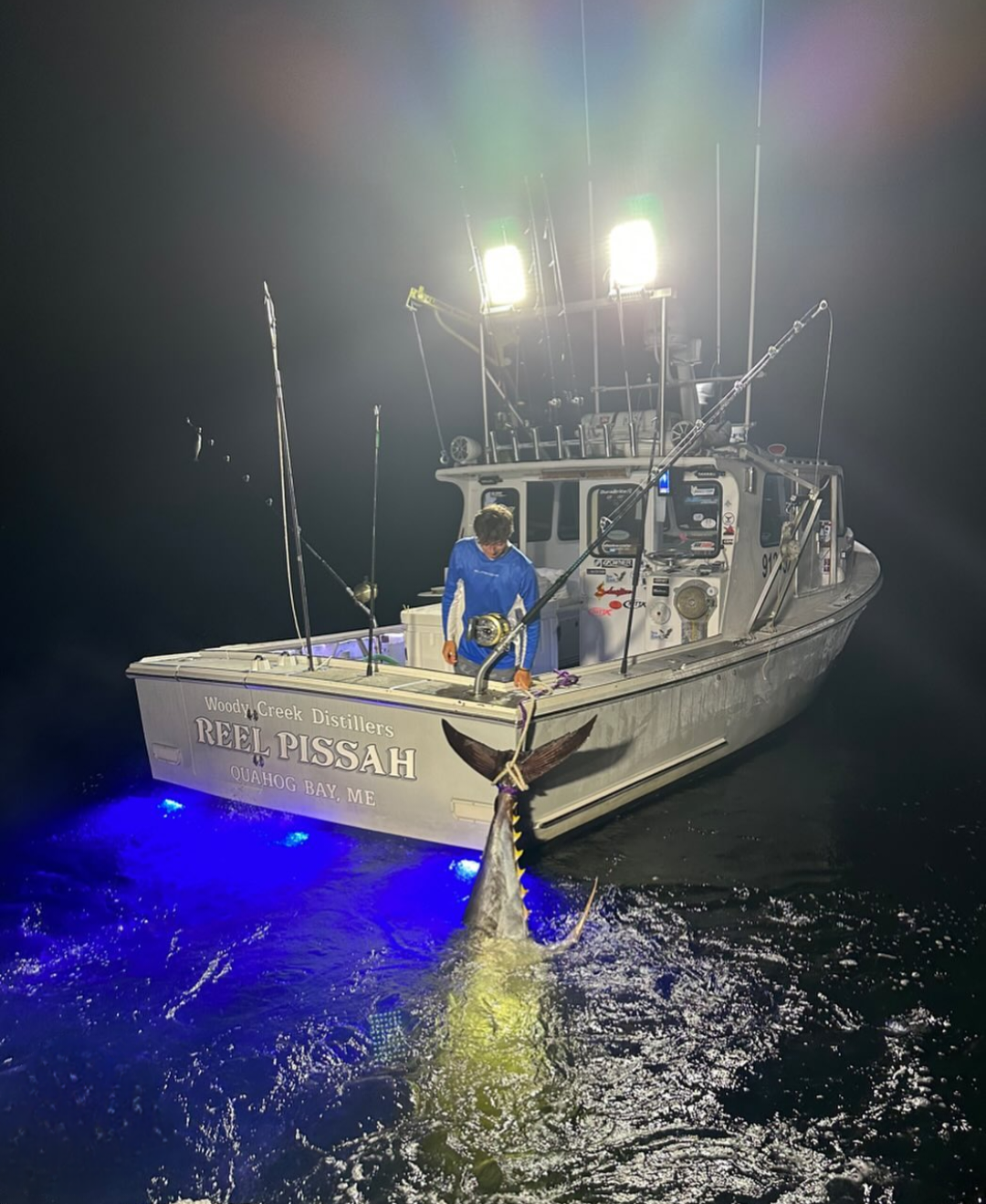
In offshore waters, light doesn't just improve visibility; it activates a natural feeding response. Understanding how tuna reacts to illuminated zones helps anglers use fishing boat lights more strategically and fish longer, smarter hours.
The Science of Light Attraction
/ 01In the open ocean, light creates a chain reaction that draws plankton, baitfish, and predators into a concentrated zone. This biological response is why properly engineered tuna fishing light systems can dramatically increase activity around your boat.
Read moreYou've invested tens of thousands in your boat, tackle, and electronics — yet you're still waiting for daylight to start serious fishing. Meanwhile, the boats equipped with fishing boat lights are already on their second or third hookup of the morning.
The most aggressive tuna feeding typically occurs in the 90 minutes before sunrise. Without specialized boat lights for night fishing, you're missing:
- The ability to drive at 20 knots and to spot and avoid hazards like lobster traps that can destroy your motor
- Critical early positioning on the most productive fishing grounds before your competitors arrive
- Prime-time feeding frenzies on bait balls when tuna are most aggressive
- Clear visibility of your fluorocarbon leaders during fights
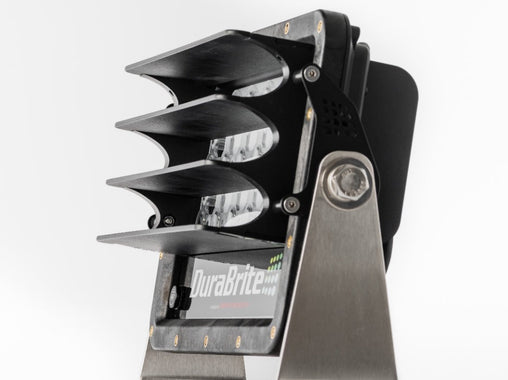
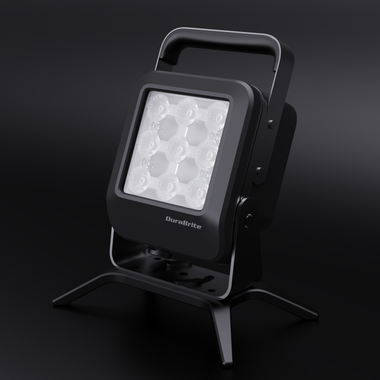
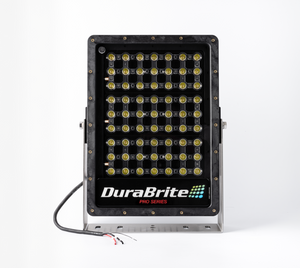
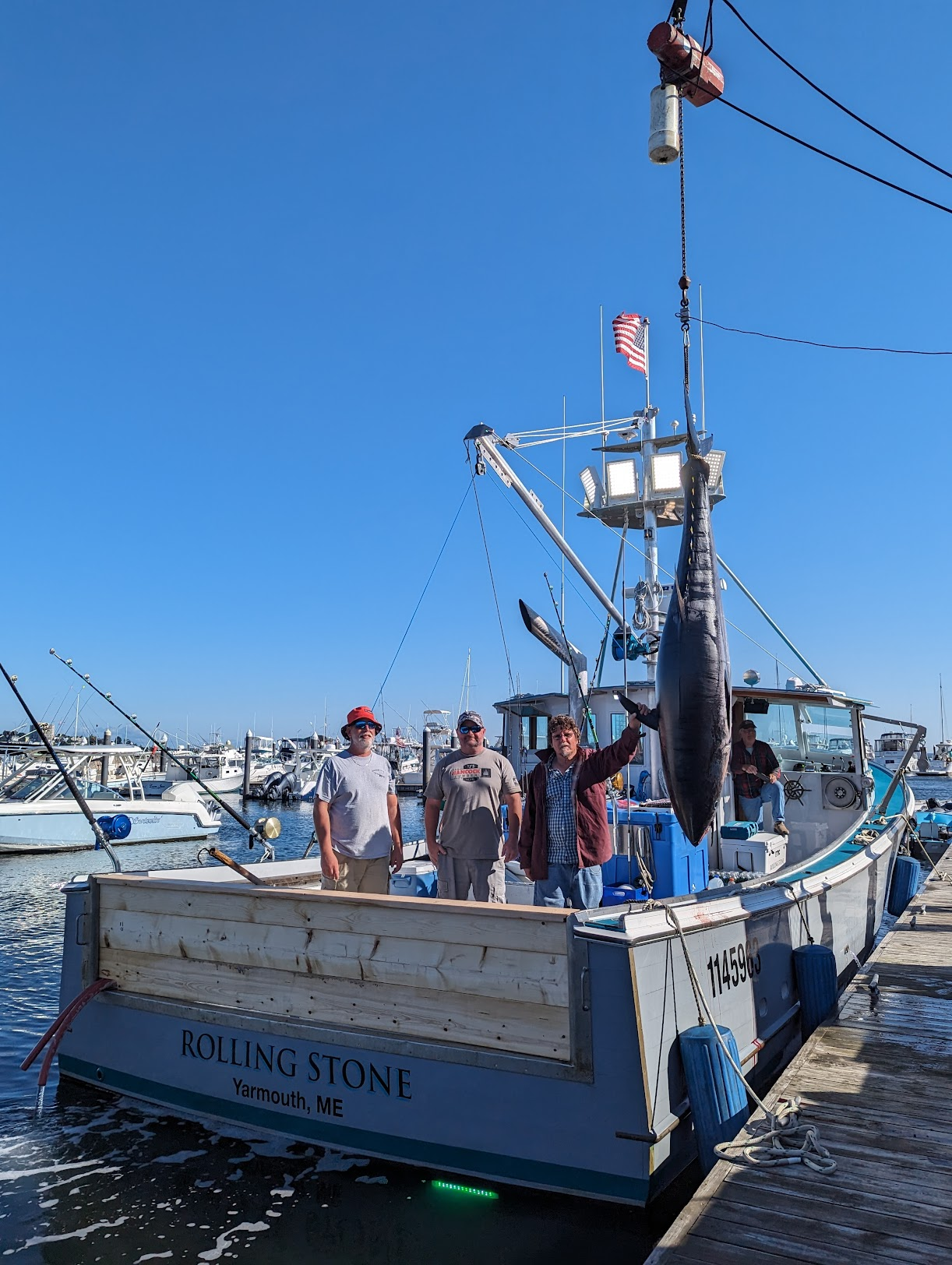
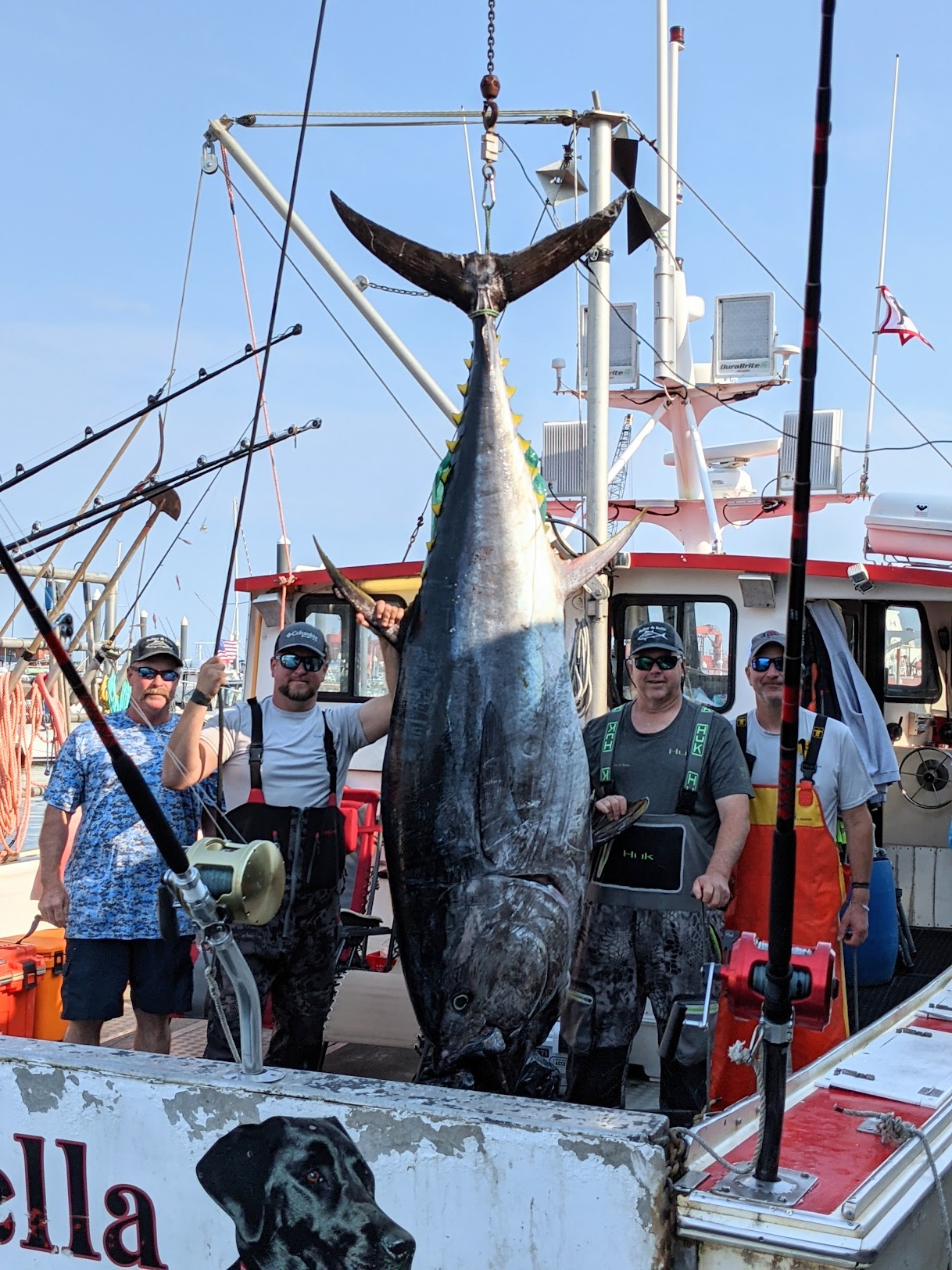
Our customers report an average 40% increase in successful hookups after installing DuraBrite fishing boat lights and Tuna Fishing Light systems, with many landing their personal-best fish during previously unfishable pre-dawn hours.
Tuna Species and Light Response
/ 02Different tuna species respond uniquely to illuminated water, which is why choosing the right boat lights for night fishing matters.
Read moreBluefin Tuna: Patrol the outer edges of the light zone and strike aggressively, especially during pre-dawn hours.
Yellowfin Tuna: Move directly into the lit area and feed actively near the surface.
Blackfin Tuna: Often arrive first and respond strongly to specific light spectrums, creating early bait movement.
The Food Chain: Light to Tuna
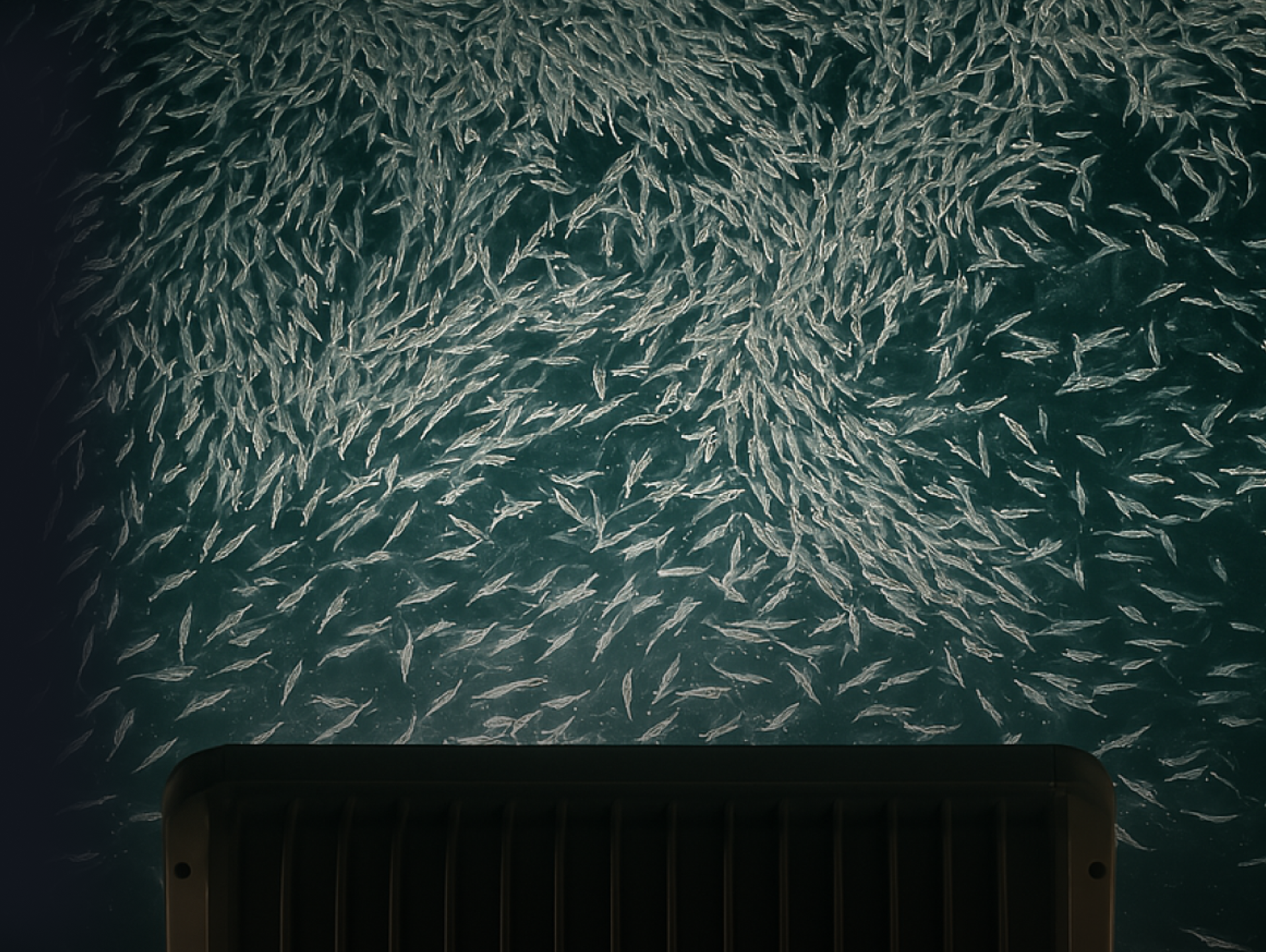
/ 03When properly designed, fishing lights for boat use penetrate the water column and trigger an immediate offshore feeding cycle:
Read moreit triggers an immediate response:
- Plankton Attraction: Microscopic organisms gather in illuminated zones.
- Baitfish Concentration: Small fish follow to feed, forming dense bait clouds.
- Predator Response: Tuna detects the activity and moves in to hunt.
This natural process turns fishing boat lights into a true offshore advantage.
Expert Insights on Tuna Behavior
/ 04"I've installed lighting systems on over 200 sportfishing vessels, and nothing changes the game like properly positioned DuraBrite fishing boat lights. They create a floating ecosystem that draws tuna in like a magnet." — Captain Mike Hanson, 25-year veteran charter captain
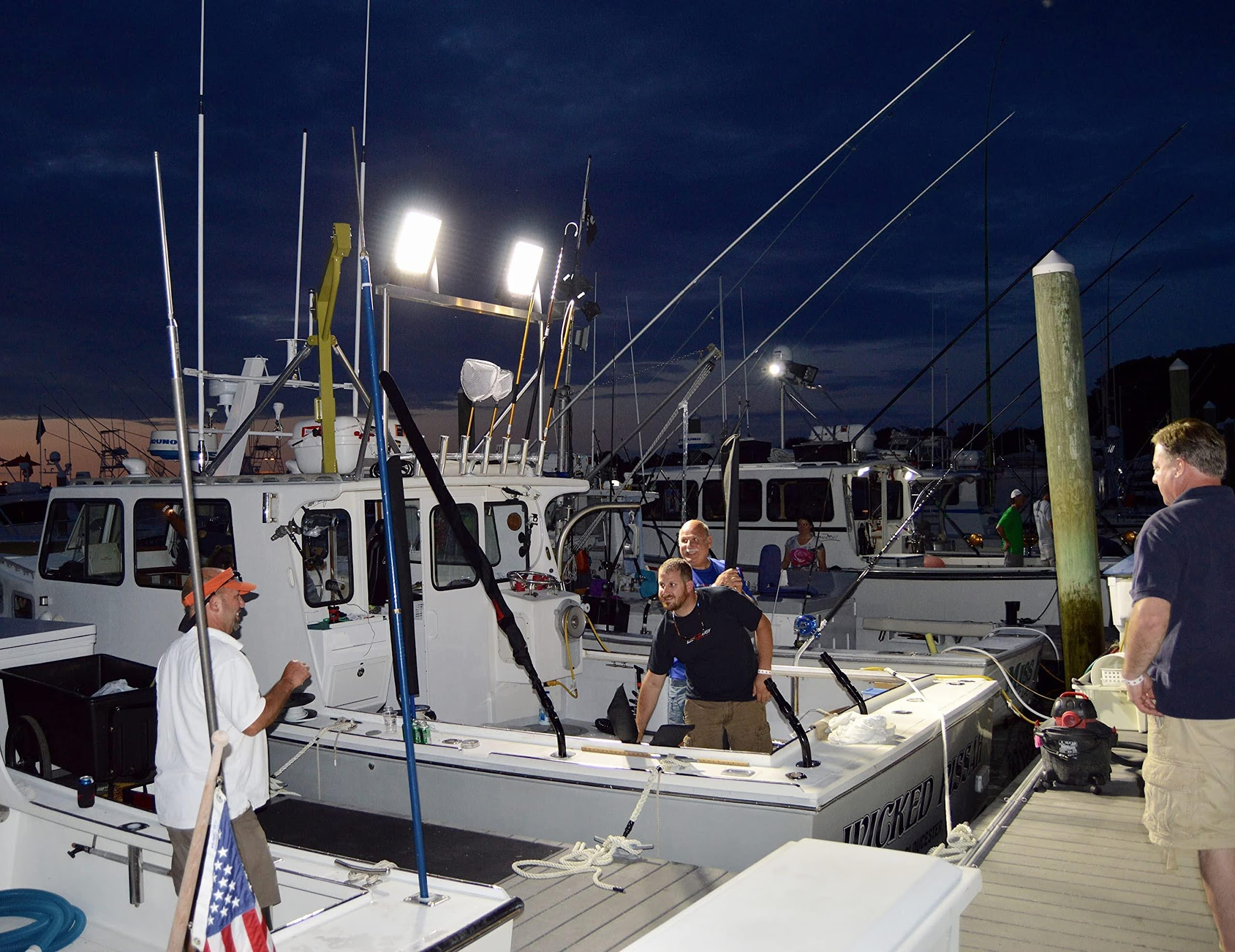
Backed by research and real-world testing, we develop the best professional fishing boat lights designed for serious offshore anglers. With the right setup, you gain longer fishing windows, improved visibility, and better results when it matters most.
Read moreThey essentially create a floating ecosystem around your boat that draws tuna in like a magnet." — Captain Mike Hanson, 25-year veteran charter captain
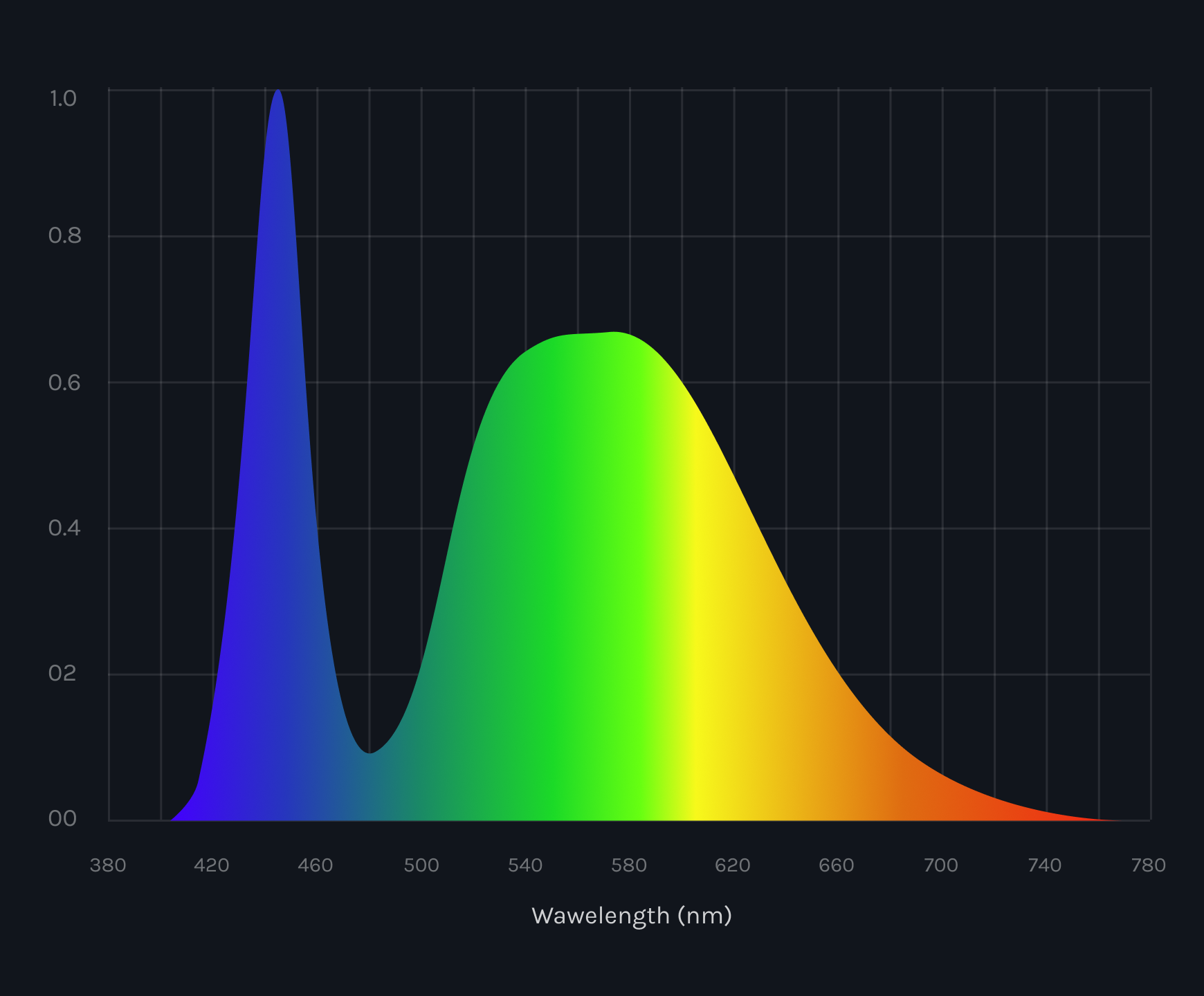
Our network of marine biologists and seasoned captains has spent thousands of hours studying how different tuna species react to varied light wavelengths and intensities. This in-depth research has driven the development of specialized Tuna Fishing Light systems and boat lights for night fishing, each optimized for specific species and offshore conditions.
Whether you're targeting Bluefin, Yellowfin, or Blackfin, these precision-engineered boat fishing lights deliver the ideal spectrum and penetration to maximize your catch potential.
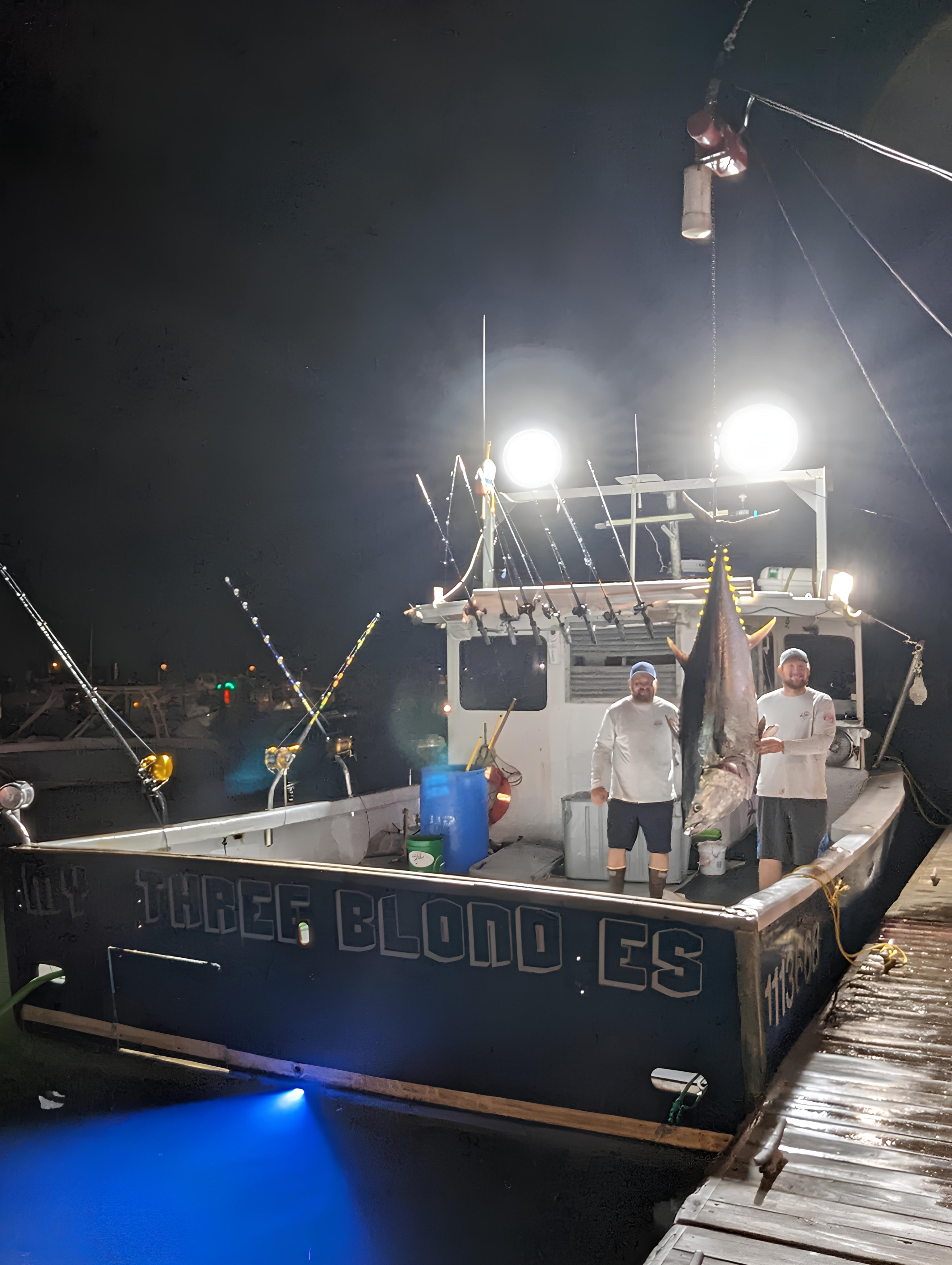
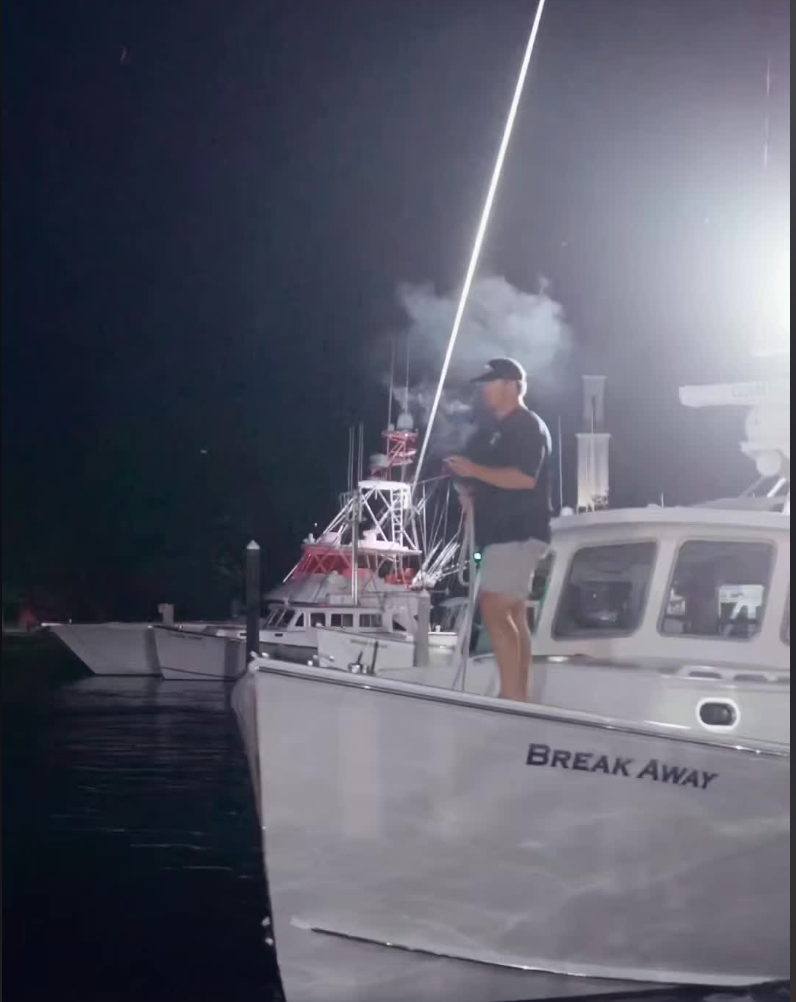
Tournament winners consistently report that being able to fish effectively during pre-dawn and low-light periods gives them a potent competitive edge. With DuraBrite's best professional fishing boat lights and managed light bar setups, anglers gain extended fishing hours, clearer visibility, and a proven 40% increase in hookups — often the difference between winning big and heading home empty-handed.
Tournament winners consistently report that the ability to effectively fish during pre-dawn and low-light conditions gives them a significant competitive advantage, often making the difference between winning and losing.



 "
"